
As the Japanese yen (JPY) strengthens versus most of its peers, the GBP/JPY retraces to about 195.65 levels.
The updated projections indicate that the Japanese economy did not grow during the first quarter of this year.
For new clues about the BoE's monetary policy outlook, investors watch the UK employment figures.
During Monday's European trading hours, the GBP/JPY pair retraces from its intraday high of 196.00 to about 195.65. After the revised Q1 GDP figures revealed that the economy stayed flat, the Japanese Yen (JPY) strengthens, putting some selling pressure on the pair.
Today's Japanese Yen Price
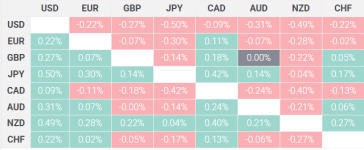
The initial estimates showed a steady 0.2% decline in the Japanese GDP. Compared to a 0.7% contraction, the GDP shrank at a lesser rate of 0.2% on an annualized basis.
According to the Japanese Cabinet Office, the GDP growth for the January–March quarter was revised higher due to an increase in the statistics on private spending, which makes up more than half of the economy. In contrast to the flash estimate's flat performance, households' consumption increased by 0.1%.
Shigeru Ishiba, the prime minister of Japan, has cautioned that the government's spending plans may be hampered by the Bank of Japan's (BoJ) rising interest rates, claiming that higher borrowing costs could raise the cost of financing. Traders may have to reduce their bets on the BoJ raising interest rates this year due to Tokyo's worries about the cost of mounting debt.
Investors in the UK region are anticipating Tuesday's release of the employment data for the three months ending April. It is anticipated that the job market report would reveal that the ILO Unemployment Rate increased from its previous reading of 4.5% to 4.6%. Both including and excluding bonuses, average earnings increased by 5.5% annually.
Because it will affect market expectations for the Bank of England's (BoE) monetary policy outlook, investors will be closely monitoring UK labor market statistics. At its June 19 policy meeting, the BoE is almost certain to maintain interest rates at 4.25%.
The updated projections indicate that the Japanese economy did not grow during the first quarter of this year.
For new clues about the BoE's monetary policy outlook, investors watch the UK employment figures.
During Monday's European trading hours, the GBP/JPY pair retraces from its intraday high of 196.00 to about 195.65. After the revised Q1 GDP figures revealed that the economy stayed flat, the Japanese Yen (JPY) strengthens, putting some selling pressure on the pair.
Today's Japanese Yen Price
The initial estimates showed a steady 0.2% decline in the Japanese GDP. Compared to a 0.7% contraction, the GDP shrank at a lesser rate of 0.2% on an annualized basis.
According to the Japanese Cabinet Office, the GDP growth for the January–March quarter was revised higher due to an increase in the statistics on private spending, which makes up more than half of the economy. In contrast to the flash estimate's flat performance, households' consumption increased by 0.1%.
Shigeru Ishiba, the prime minister of Japan, has cautioned that the government's spending plans may be hampered by the Bank of Japan's (BoJ) rising interest rates, claiming that higher borrowing costs could raise the cost of financing. Traders may have to reduce their bets on the BoJ raising interest rates this year due to Tokyo's worries about the cost of mounting debt.
Investors in the UK region are anticipating Tuesday's release of the employment data for the three months ending April. It is anticipated that the job market report would reveal that the ILO Unemployment Rate increased from its previous reading of 4.5% to 4.6%. Both including and excluding bonuses, average earnings increased by 5.5% annually.
Because it will affect market expectations for the Bank of England's (BoE) monetary policy outlook, investors will be closely monitoring UK labor market statistics. At its June 19 policy meeting, the BoE is almost certain to maintain interest rates at 4.25%.
